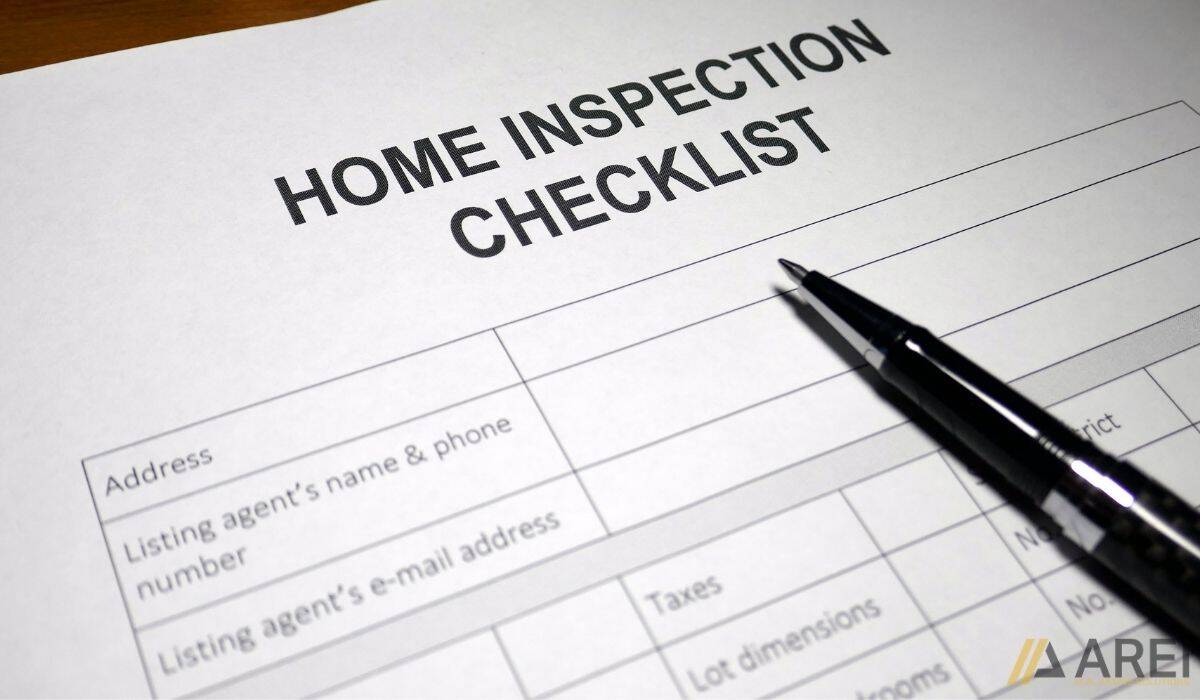
According to the National Association of Realtors 2025 Profile of Home Buyers and Sellers, For Sale By Owner transactions are hitting an all-time low of just 5% of all transactions. From our experience working across the local real estate market, we see why.
The selling process looks simple until you face the legal paperwork. This guide is built to answer one critical question: what paperwork do i need to sell my house myself in Richmond, VA this year?
We break down every form so you can sell FSBO with confidence, whether you are selling a Virginia home or any house without a realtor.
Understanding this paperwork is just one piece of the puzzle. Our moving house checklist covers the physical logistics of relocating, while our home-buying checklist is designed for purchasers entering the market.
This seller’s guide also serves as a natural foundation for our upcoming probate checklist, which addresses the unique needs of estate sales. Together, these resources prepare you for every step.
Short Summary
- Start gathering key documents early. Your property deed, tax records, and HOA papers build credibility with buyers.
- Virginia law demands specific disclosure forms. The Residential Property Disclosure Statement and lead based paint disclosure are non negotiable.
- The purchase agreement becomes a legally binding contract. Review it carefully and consider having a real estate attorney look it over.
- Closing documents include the closing statement, final deed, and settlement paperwork. Read everything before signing.
- Some FSBO sellers prefer skipping the complexity. Cash buyers handle all paperwork and close
The Pre-Listing Phase: Gathering Essential Paperwork
Most sellers we talk to want to jump straight to putting up a sign. Our advice: Slow down! Preparation separates a smooth sale from a total headache.
Getting your key documents in order first helps for sale by owner (FSBO) sellers determine fair market value and builds serious credibility with potential buyers. When someone walks through your Virginia house, they need confidence that you know what you are doing.
Property Deed and Ownership Records
The property deed proves you actually own the place. Sounds obvious, right? We once worked with a seller who discovered an old lien from a contractor her ex-husband never paid. That search saved her from a disaster at closing.
Pull your current deed and check for any legal claims or property survey mismatches. Buyers will ask. Have answers ready.
Property Tax Bills and Financial Records
Nobody likes tax surprises. Recent property tax bills show prospective buyers exactly what they will owe. Take a typical Richmond home assessed at 350k. The tax bill gives buyers clear numbers for their budget planning. It’s simple transparency that pays off.
Homeowners Association (HOA) Documents
Virginia’s Resale Disclosure Act was updated in 2025 to streamline the selling process. Sellers must now provide a standardized resale certificate that includes new notices regarding association insurance deductibles.
Under Virginia law, associations have 14 days to deliver these disclosure forms, so budget accordingly. While fees are state-capped, expect to pay approximately $350 for the full electronic package.
Loan Payoff Statement
You need to know your number. Request a loan payoff statement from your lender showing the exact amount due. Subtract that from your sale price and you get your net proceeds.
To illustrate: A seller in Chesterfield thought she would walk away with 40k. After adding up her payoff and fees, the real number was closer to 27k. Know before you go!

Professional Reports for Pricing
Pricing by gut feeling rarely works. A pre-listing home inspection catches issues before buyers use them as negotiation weapons. A home appraisal report provides hard data. Combine those with a comparative market analysis looking at recently sold homes in your zip code.
Together, these tools deliver accurate property valuation. We typically review:
- Recently sold homes within 0.5 miles
- Active listings currently competing with yours
- Expired listings that priced too high
That data gives you a listing price backed by evidence, not hope. Set your fair market value based on facts and buyers will take you seriously from day one.
Mandatory Virginia Disclosures: Navigating the Residential Property Disclosure Statement
Virginia law requires specific disclosure forms before you can transfer property. Skip these and you invite lawsuits. The commonwealth follows a buyer-beware system (Caveat Emptor), but that does not let sellers off the hook.
You must provide proper documentation about what you know regarding the property condition. Let’s walk through each required form.
Residential Property Disclosure Statement
The Virginia Department of Professional and Occupational Regulation mandates this form for most residential sales. It covers material defects like faulty foundations, roof leaks, or basement flooding that you actually know about.
We tell sellers to be honest here. Hiding a known issue creates future legal disputes. The property disclosure statement is your chance to lay everything on the table.
Lead-Based Paint Disclosure
Homes built before 1978 fall under federal law requiring lead paint disclosures. You must provide buyers with any reports you have and give them a 10-day opportunity to inspect. This is non-negotiable.
Fines for skipping this step hit 40k or more per violation. The EPA doesn’t mess around.
Septic and Wastewater Disclosures
Got a septic system? Virginia law says you must disclose its location and maintenance history. Many buyers will request an inspection anyway. If your system fails, you typically pay to fix it.
One seller learned this the hard way when the inspection revealed a failing drainfield. They negotiated a credit and the deal moved forward. Honesty keeps deals alive.

Seller’s Disclosure Statement and HB 477
Virginia passed HB 477 regarding land disturbing activities. If you obtained permits for removing trees, grading land, or adding fill dirt, tell buyers. This matters for properties with recent construction or landscaping changes.
One example: a seller in Albemarle County had to disclose a permit for clearing an acre behind their house. The buyer appreciated the heads up and proceeded anyway.
Check local regulations because some counties add extra requirements. The rule of thumb stays simple: when in doubt, disclose it. Your Virginia house sale depends on legal compliance every step of the way.
The Legal Core: What Paperwork Do I Need to Sell My House Myself During Negotiations?
Once buyers start talking numbers, conversations turn into contracts. This phase trips up many FSBO sellers because the language gets serious fast. Every document you sign during negotiations carries weight. Get these right, and you avoid future legal disputes down the road.
Purchase Agreement
The purchase agreement is the big one. It spells out purchase price, earnest money deposit amount, inspection contingencies, and your closing date. Every detail matters.
A contract can fall apart if the closing date is written as something like “on or about May 15” instead of a firm date. In such a case, the buyer’s rate lock may expire, and there’ll be no deal. What if the buyer needs to sell their own home first? That contingency belongs in this document.
Buyer Financing Addendums
You need proof that buyers can pay. Financing addendums verify their loan approval and set deadlines for securing final commitment. Ask yourself: Does this buyer actually qualify?
Their pre-approval letter tells the story. If financing falls through, these addendums protect your right to keep the earnest money or find another buyer.
Personal Property Bill of Sale
Is that washer and dryer staying? What about the mounted TV or the shed out back? Real estate transfers land and structures. Personal property needs its own bill of sale. List every item included and assign a value.
Contract Review by Legal Professionals
Here’s the truth: we’re experts in preparation, but contracts deserve extra eyes. Have a real estate attorney or real estate lawyer review everything before you sign. Even without a listing agent, this step protects your interests.
A good attorney catches weird clauses, unclear deadlines, or missing contingencies. Real estate professional review costs a few hundred dollars and saves thousands in headaches.
Remember that old chestnut about an ounce of prevention being worth a pound of cure? Well, it fits perfectly here. So, review contracts carefully. Your house-by-owner sale deserves that protection.
Closing the Deal: Closing Documents and Settlement Fees
Closing day is finally here! This is where all your hard work pays off, and the property officially changes hands. The closing process involves signing a mountain of closing documents and settling up on financial transactions.
Don’t let the final sprint trip you up. Stay organized and know what to expect when you sit down at that table.
The Closing Statement
The closing statement is your financial scoreboard. It lists every penny coming in and going out. You’ll see settlement fees for the title company, transfer taxes owed to the county, and credits for things like the buyer’s earnest money.
For example, a seller in, say, Henrico County might sell for 425k. Her closing statement shows 12k in deductions between commission equivalents, taxes, and fees. In this case, her net proceeds would land at 413k.
So, read this document carefully before you sign. Ask questions if numbers look off.
Title Search and Title Company
The title company does the digging. They perform a title search through public records to verify nobody else has a legal claim on your property. That cousin who says he owns a piece because grandpa promised it to him?
The title search catches those issues. For instance, one seller in Spotsylvania discovered an old mortgage from 1998 that never got properly released. The title company fixed it before closing. Legal compliance starts with a clear title.
Preparing the Final Property Deed
Your closing attorney or settlement agent handles the final deed transfer. This document officially moves ownership from you to the buyer.
Double-check the spelling of names and the legal property description. Imagine your deed reads 123 Oak Street, but the county records show 123 Oak Lane. That mismatch creates headaches. Verify every detail.
Closing Date Logistics
The closing date brings everything together. Your lender provides the loan payoff verification showing exactly what you owe. Contact utility companies to schedule final readings and transfers. We recommend:
- Schedule water, gas, and electric transfers one day after closing
- Notify internet and trash services two weeks prior
- Bring a government ID to the signing table
Signing closing documents takes about an hour. Take your time reading each page. This is the finish line. Cross it with confidence!

A Faster Alternative: Skipping the Paperwork Mountain
Let’s be honest. Selling a house FSBO works for some folks, but the paperwork can bury you. We’ve watched talented sellers struggle through disclosure forms, contract contingencies, and last minute title issues. That stack of paper grows fast.
Cash buyers like AREI Properties offer a simpler path. We purchase Virginia homes directly from owners. No flat fee MIS services to manage. No active listings to worry about. No chasing down buyers who can’t get financing.
One seller in Petersburg called us frustrated after three months on the market. We made a fair cash offer in 48 hours and handled every closing document ourselves. She walked away with cash and zero paperwork headaches.
Here’s what a cash sale eliminates:
- Listing appointments and photography
- Endless showings with potential buyers
- Appraisal contingencies that kill deals
- Repair negotiations after inspections
An instant cash offer removes the complexity from your property sale. You still work with real estate professionals, just fewer of them. The closing process takes days instead of months.
Some sellers prefer the full experience of selling traditionally. Others, meanwhile, just want the check and want it now. Both options work. Choose the path that fits your life.
Final Thoughts
Selling a Virginia home by owner is doable. It just takes work. The difference between a smooth closing and a total mess often comes down to knowing what paperwork you need before problems pop up.
Every legal document serves a purpose. Skip one and you invite delays or worse, disputes that kill the deal.
Our advice stays simple: Review every contract twice. Check local regulations because some counties add their own rules. Understand that property sale laws exist to protect both sides. Legal compliance is not optional.
But here’s the truth: Some FSBO sellers reach Friday afternoon before closing and realize they forgot a form. Or a buyer walks after inspection. If that sounds exhausting, cash buyers offer another way. We buy houses directly and handle every piece of paperwork.
Visit our homepage to see your options. Whether you tackle the selling process yourself or take the simple route, we’re here to help.S