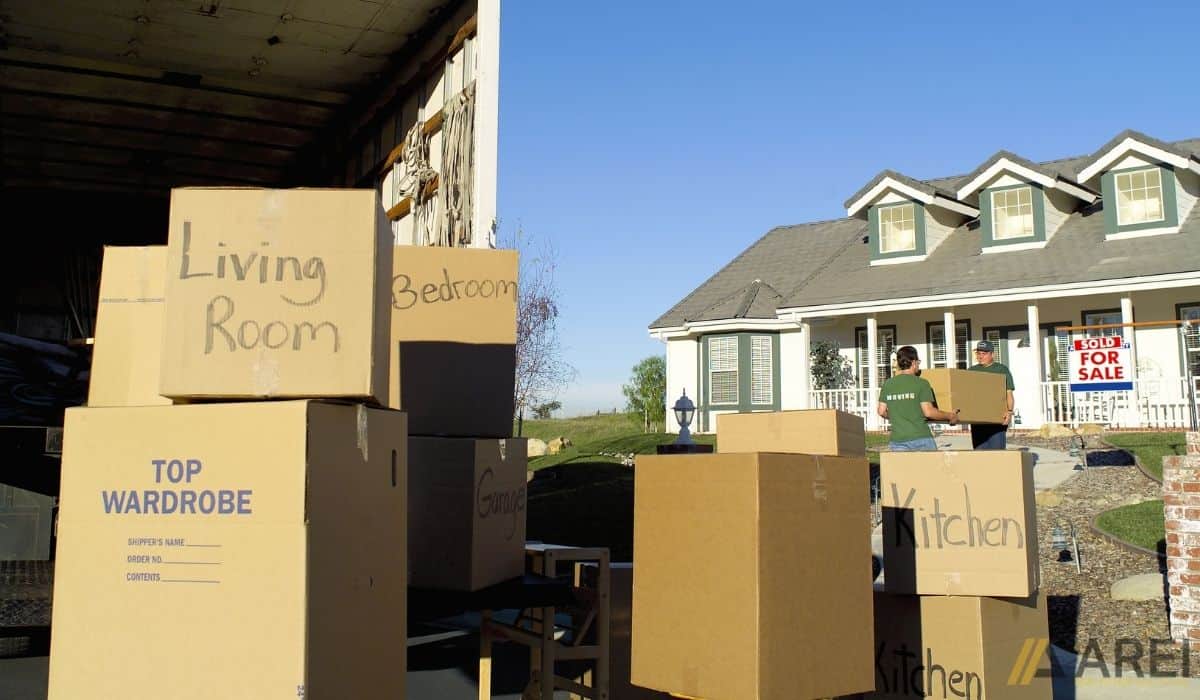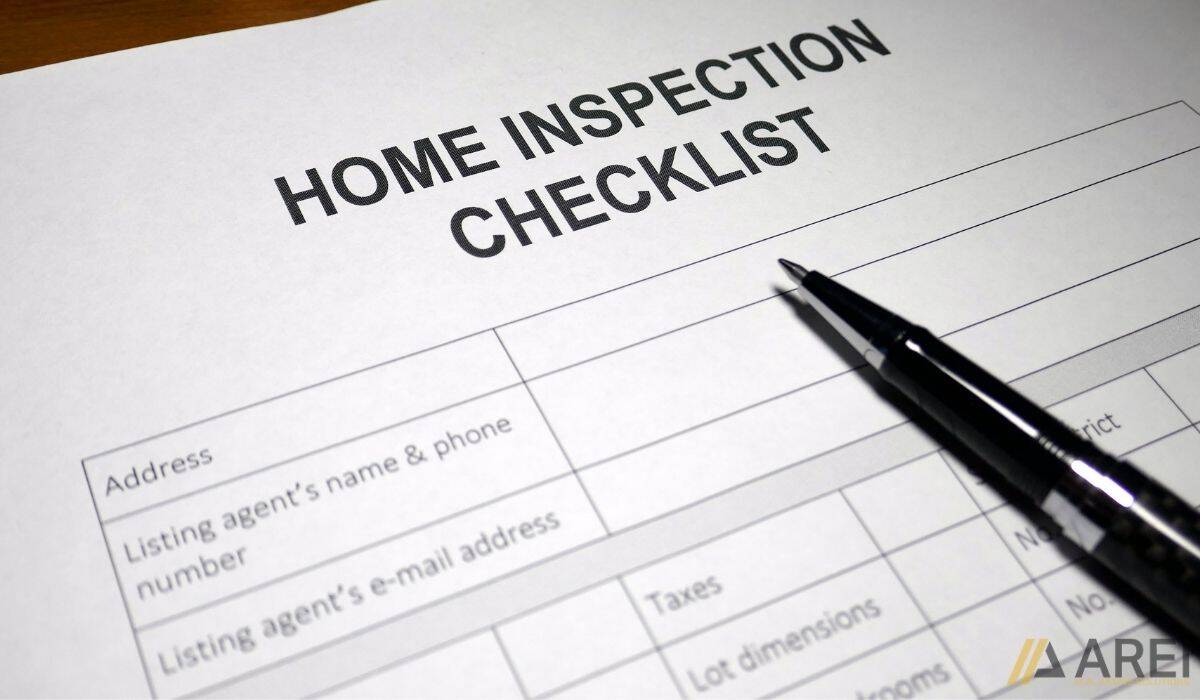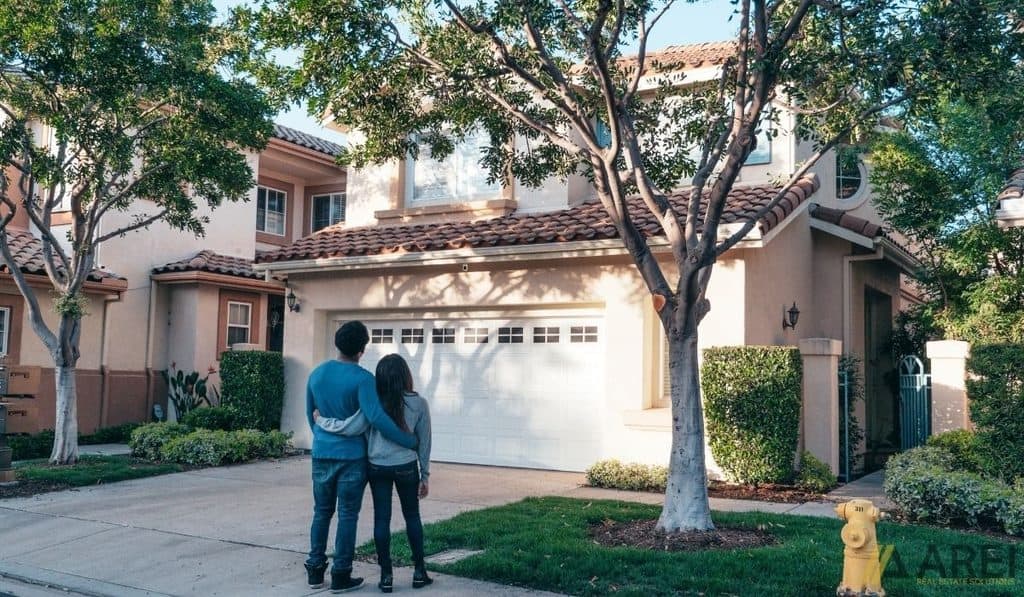
Buying a home involves more steps than finding a property you love and making an offer. Data shows that 88% of homebuyers relied on a real estate agent to guide them through their transaction, highlighting how detailed today’s home buying journey has become.
From our experience, the single biggest hurdle isn’t finding a cute porch or a granite countertop. It’s understanding the requirement to buy a house in Fredericksburg, VA before you even schedule a tour.
This Fredericksburg guide walks you through the credit, income, and cash steps. We also show what happens when a traditional home-buying process hits a wall.
Think of this article as your practical map. For a deeper discussion into property checks, see our real estate due diligence checklist. Need to show seller confidence? Read our upcoming guide on the proof of funds letter.
And for the full step-by-step roadmap, our main home-buying checklist has you covered. Let’s get started!
Short Summary
- Lenders check your credit score, income stability, and debt-to-income ratio as main financial qualifications for a home purchase.
- Down payment amounts vary by loan type, with many options under 10 percent plus cash for closing costs.
- Get mortgage preapproval early, work with a real estate agent, and prepare for appraisals and inspections.
- Virginia has specific closing rules that use attorneys and settlement agents for smooth transfers.
- Cash sales provide a solid path forward when traditional financing hits roadblocks.
Understanding Your Primary Financial Qualification to Buy a House
Two big things shape your path to a mortgage: your credit score and your income. Lenders want proof that you handle money well and bring home enough each month to cover a house payment. Let’s walk through both.
Navigating Your Credit Score and Credit History
Your credit report tells lenders how you have managed debt in the past. Late payments, maxed cards, or collection accounts all show up here. A clean credit history signals financial stability. Here’s what the major loan programs expect in 2026:
- Conventional loans: Minimum credit score around 620
- FHA loans: Score of 580 gets you 3.5% down. A score between 500 and 579 still works but requires a 10% down payment.
- VA loans: No official minimum from the Department of Veterans Affairs. In practice, most lenders look for 580 to 620.
- USDA loans: No formal floor, though most lenders prefer a good credit score around 640 or higher.

Past performance predicts future risk. One late payment might not sink you. A pattern of missed due dates raises red flags. We’ve seen buyers with a 590 FHA score walk away with keys.
We’ve also watched folks with a 680 conventional score get turned down. The difference? Timely payments and low credit utilization.
Verifying Your Stable Monthly Income and Employment
The mortgage application process gets real when you hand over two years of job history. Lenders want to see consistency. Frequent job changes or long gaps between roles make underwriters nervous.
Most mortgage lenders request three specific documents:
- Tax returns from the past two years
- Recent pay stubs covering 30 days
- Bank statements showing assets and savings activity
Your gross monthly income shapes your home-buying budget. That’s your pay before taxes, retirement, or health insurance comes out. Monthly income calculations include base salary, overtime, commissions, and even side gigs if you can prove a consistent track record.
Some first-time buyers get tripped up by income limits. Certain loan programs and down payment assistance plans cut off borrowers who earn too much. A school teacher in Fredericksburg earning $58,000 might qualify for state help.
A software developer pulling $110,000 likely would not. Check the caps before you assume you do not need assistance.
Calculating Your Debt-to-Income Ratio and Monthly Obligations
Your paycheck tells half the story. What you owe every month tells the other half. Lenders combine these two numbers to decide if you can handle another payment.
How Lenders View Your Gross Monthly Income vs. Debts
Debt-to-income ratio, or DTI, is a core approval pillar. The calculation is simple: add up all your monthly debt payments, divide by your gross monthly income, then move the decimal two places right. That percentage tells lenders how stretched you are.
What counts as monthly debt payments? Student loans, car notes, minimum credit card balances, plus your future monthly mortgage payment. (Not utilities, phone bills, or Netflix. Those don’t count.)
Here’s the target range. Lenders prefer a DTI of 36% or less. A number above that doesn’t automatically kill your mortgage approval, but it does make things harder.

Some lenders stretch up to 50% DTI if you bring strong compensating factors: a large savings account, a near-perfect payment record, or extra cash reserves.
Think of DTI like a scale. Every new debt tips it further. A $450 car payment and a $200 student loan bill leave less room for that monthly mortgage payment.
Planning for the True Monthly Mortgage Payment
Principal and interest are just the starting point. Your real monthly payments will include three more pieces.
- First: property taxes. In Fredericksburg, the property tax rate is $0.84 per $100 of assessed value (about 0.84%), plus a $0.01 fire tax, roughly 0.85% total.
On a $350,000 home, that adds around $340 to $350 per month.
- Second: homeowners insurance. Lenders require it. Expect roughly $100 to $150 monthly for a standard policy. Your mortgage servicer holds both taxes and insurance in an escrow account and pays them when due.
- Third: private mortgage insurance or PMI. Triggered when you put down less than 20% on a conventional loan (government-backed FHA and VA loans have their own fee structures). PMI typically costs 0.5% to 1% of the loan amount annually.
On a $280,000 loan, that’s an extra $115 to $230 monthly until you reach 20% equity.
Here’s an example. A $350,000 Fredericksburg house bought with 5% down:
- Principal and interest: ~$1,850
- Property taxes: ~$248
- Insurance: ~$125
- PMI: ~$150
Total monthly payment: ~$2,375
Plug your numbers into an online calculator. Do it tonight. Knowing how much house you can actually afford beats any surprise at the closing table.
The Down Payment and Upfront Cash Requirements
The 20% down myth refuses to die. Let’s unalive it right now. Most buyers put down far less. The key is knowing your options and planning for every dollar you need before moving day.
Decoding the Minimum Down Payment by Loan Type
Different loan type options come with very different minimum down payment expectations:
Conventional loan: As low as 3% down for qualified first-time buyers
- FHA loans: 3.5% down
- VA loans: 0% down for eligible veterans and service members
- USDA loan: 0% down for buyers in eligible rural or suburban areas
That 20% figure works well for buyers who want to skip PMI and secure a stronger loan-to-value position. But the average first-time buyer actually puts down closer to 10%.
A larger down payment does improve your loan terms. It also lowers your monthly payment. You don’t need to drain your savings account to hit 20%, though.

Virginia offers payment assistance programs through the Virginia Housing Development Authority. These grants and second mortgages can cover some or all of your down payment and closing costs.
Many first-time buyers qualify. Some programs even help repeat buyers in designated areas.
Tracking Closing Costs and the Earnest Money Deposit
Cash to close goes beyond your down payment. Here are two other upfront costs.
The earnest money deposit shows a seller you’re serious. Typically 1% to 3% of the home’s purchase price, held in a trust account under a binding sales contract. If you walk away for a valid reason (failed inspection, financing denial), you get that money back.
If you get cold feet or break the contract, the seller keeps it.
Closing costs run another 2% to 5% of your loan amount or purchase price. These fees cover the work required to close your mortgage. Loan origination fees (what the lender charges to process your file).
Title insurance (protects against ownership disputes). Recording fees (what the local government charges to log your deed). Appraisal costs, credit report fees, and attorney charges are also included.
Consider a $350,000 home with 5% down. The down payment totals $17,500. Closing costs might add $7,000 to $14,000. The earnest money deposit of $3,500 to $10,500 is paid upfront but credited back to you at closing.
Total cash needed before moving in: roughly $24,500 to $31,500.
Navigating the Mortgage Application and House Hunting Steps
Getting a mortgage application approved takes real effort. But approval doesn’t happen by accident. You need a clear plan before you ever step inside a home. Here’s how to build that plan.
Securing a Mortgage Preapproval Before House Hunting
Never go house hunting without a mortgage preapproval in your pocket. That piece of paper tells sellers you are serious. It also gives you a clear price limit before emotions take over.
A preapproval letter comes from your home loan provider. You share your financial details. They verify your income, assets, and credit history. Then they issue a letter stating how much they will lend you.
Most mortgage preapproval letters stay valid for 90 days. That window gives you plenty of time to find the right place.
A mistake we see too often is when a buyer falls in love with a house, then applies for a loan. And when the numbers don’t line up, the deal falls apart. However, a preapproved buyer avoids that heartbreak entirely.
Shop around. Talk to multiple lenders. Rates change daily. Loan fees vary widely. One bank might offer a lower rate but charge higher origination fees. Another might have better terms for first-time buyers.
We recommend getting quotes from at least three lenders. Compare interest rates, loan terms, and closing costs side by side.
Consider this example: A Fredericksburg buyer with a 720 credit score and 10% down received offers from three lenders: 6.25%, 6.5%, and 6.35%. Choosing the 6.25% rate saved roughly $50 per month over 30 years.
That small difference added up to nearly $18,000 over the life of the loan. Worth the extra phone calls.
Working with a Real Estate Agent Under Modern Rules
A good real estate agent does more than unlock doors. They negotiate on your behalf. They pull MLS data you can’t access alone. They spot red flags in contracts before you sign. In our experience, that expertise pays for itself many times over.
But the rules changed in 2024. A nationwide settlement now requires buyers to sign a written buyer agency agreement before touring any homes with an agent.
This document lays out how your real estate agent gets paid. That compensation is always negotiable. It’s never set by law or by the MLS.
The agreement must state a specific dollar amount or percentage. No open-ended language allowed. Your agent can’t earn more than what you agreed to, even if a seller offers more later. This change gives buyers more transparency and control over costs.
Ask your agent these questions before you sign:
- How long does this agreement last?
- How do we end it if we are not a good fit?
- Who pays your fee if a seller refuses to cover it?
Get clear answers in writing. Then start your search with confidence.
Closing Day Readiness: Appraisals, Inspections, and Virginia Law
The finish line looks close. But a few more steps remain before that closing date arrives. Let’s walk through the lender requirements and the Virginia-specific rules.
Home Appraisal vs. Home Inspection: What’s Required vs. Recommended
A home appraisal isn’t optional. Your lender orders it to confirm the property value matches your purchase price. An appraiser visits the house, compares recent sales, and issues a report.
If the home appraisal comes in low, you have a problem. The lender will not approve a loan for more than the appraised value. You either renegotiate the price, bring extra cash, or walk away.
A home inspection works differently. Lenders don’t require one. But skipping a home inspection is risky. An inspector checks the roof, foundation, plumbing, electrical system, and HVAC. They find hidden issues. Think old wiring, a leaky basement, or a furnace near failure.
Don’t be like the buyer who skips an inspection to save $500. They closed on the house, and two months later, they discovered a $15,000 mold problem. Don’t make that same choice.
Virginia law adds another layer of protection. Sellers must provide a Residential Property Disclosure form before the purchase contract is signed. That form advises buyers to do their own due diligence. But it also requires sellers to answer direct questions honestly.

Virginia’s Closing Laws and the Path to Possession
Virginia requires a settlement agent to handle the final approval and closing process. That agent can be a licensed Virginia attorney or a title insurance company operating under a licensed title agent.
While some states force an attorney to sit at the table, Virginia gives you flexibility. Many closings happen at a title company without a lawyer present.
Here’s the path to the closing date.
- First, your lender issues final approval after clearing all conditions.
- Second, the settlement agent prepares the final paperwork.
- Third, you review and sign the documents.
- Fourth, funds transfer to the seller.
- Fifth, record the deed with the local government.
- Sixth, you receive the keys.
That last step takes a few hours or a few days depending on county recording times. Plan your moving truck accordingly.
The moment you unlock the front door for the first time as an owner? That feeling never gets old. Welcome to your dream home. That home purchase is now official!
What to Do If Traditional Mortgage Requirements Become a Roadblock
Traditional loans work well for many buyers. But what if your bad credit or high debt to income ratio blocks approval? What if you can’t meet standard credit score requirements?
Maybe a failed appraisal kills your deal. Or maybe maximum loan amounts from the Federal Housing Administration or Veterans Affairs fall short of what you need.
We see this scenario play out more often than you think.
A direct cash home buying offer provides an alternative path. No bank underwriting. No DTI limits. No private mortgage insurance. You sell the house as is.
The transaction closes in days or weeks, not months. This works especially well for sellers who want to fund their next dream home purchase without waiting on a traditional buyer’s loan approval.
The number one rule of real estate? Know all your options. Traditional financing works for most people, but when it doesn’t, you have choices.
Final Thoughts
The home buying process brings several key checkpoints. Strong financial qualifications like credit scores, solid DTI ratios, and enough for down payments matter a lot. Virginia closing laws add their own steps too. Yet hurdles pop up for many folks.
Traditional paths sometimes demand more than buyers can give right away. Options exist when you need flexibility. Some choose cash routes to move forward without extra waits. We help Fredericksburg families explore what fits their situation best.
Ready to take the next step in your home purchase? Visit our homepage at https://areiproperties.com/ for local resources. Or reach out at (540) 993-3209 if you want to discuss selling as-is quickly.