

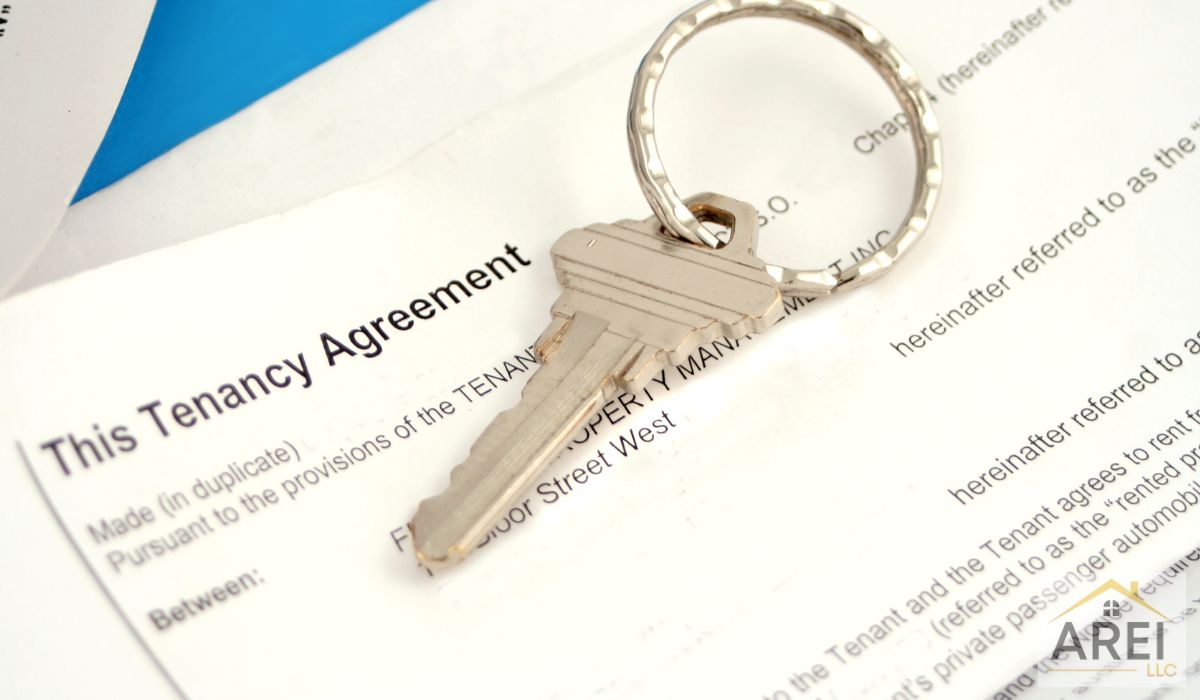
From our experience, lease agreements generally get carried over after the rental property gets sold in Richmond. What does this mean? It means that the existing leases must be honored, except maybe for rare cases and even then there are notice requirements.
This article will discuss the legal requirements and tenant rights particularly when it comes to selling an occupied property.
Now, if you’re wondering about property valuation for a rental property – we have this topic covered in our next guide. Our other article, about the sale process when selling an inherited house in Richmond, can also prove helpful to you.
Short Summary
- Landlords must comply with both the Virginia Residential Landlord and Tenant Act (VRLTA) and local Richmond regulations when selling occupied rental property, understanding that legal obligations transfer to the new owner.
- Landlords must provide tenants with adequate written notice for property showings, potential sales, ownership transfers, and lease assignments or terminations, maintaining thorough documentation to ensure compliance.
- Tenants retain the right to peaceful enjoyment, reasonable showing schedules, and adherence to existing lease terms during the sales process, with legal remedies available for rights violations.
Understanding Virginia State Laws For Occupied Rental Property Sales

First, let’s discuss the Virginia Residential Landlord and Tenant Act (VRLTA). This comprehensive piece of legislation governs the landlord tenant relationship in the Commonwealth, setting forth the rights and responsibilities of both parties. The tenant act VRLTA covers a wide range of issues, from security deposit handling to lease termination procedures, and it’s crucial for Richmond landlords and tenants to understand its provisions.
However, while the VRLTA provides a statewide framework, it’s important to recognize that there can be key differences between state and local Richmond regulations. For instance, certain localities may have additional ordinances related to housing standards or eviction process procedures. Therefore, landlords must always verify compliance with both state and local laws to avoid potential legal action. If you want to know more about what we think are the most important local ordinances (Richmond Specific), just give us a message or fill out our form to know our opinion.
Selling a rental property that is occupied presents challenges compared to selling a vacant property. Obviously with a vacant dwelling, the seller has more flexibility in terms of showings and repairs. On the other hand, when a tenant is in place, the seller must respect their tenant rights, including providing proper written notice before entering the unit and adhering to the terms of the lease.
Significantly, certain legal obligations automatically transfer from the seller (the landlord) to the buyer (the new landlord) upon the sale of the property. This includes the obligation to honor the existing lease agreement, return the security deposit (or transfer it to the new owner), and maintain the property in a safe and habitable condition. New owners essentially step into the shoes of the previous landlord, inheriting all associated responsibilities.
The VRLTA also outlines specific timeline requirements for various legal notices and procedures. For example, the landlord may be required to provide the tenant with a certain amount of written notice before entering the dwelling, raising the rent, or terminating the lease. Similarly, the buyer (new landlord) must adhere to the timelines for returning the security deposit within 45 days of the lease termination.
Finally, non-compliance with state regulations can cause significant penalties. Landlords have the right to pursue legal action for tenant violations, but they also face potential fines, lawsuits, and other repercussions for failing to uphold their own rights and responsibilities under the VRLTA. The Virginia Fair Housing office also ensures laws are followed to help avoid issues of discrimination. Therefore, understanding and adhering to these laws is paramount for a smooth and legally sound sale.
Essential Legal Notices Required Before Selling

Here’s the first thing: you have to understand the 30 days advance notice requirement. A key component of selling an occupied rental property is providing the tenant with adequate notice before scheduling property showings. This allows the tenant time to prepare and minimizes disruption to their quiet enjoyment of the dwelling.
Secondly, written notice formats and delivery methods are critical. It’s not enough to simply inform the tenant verbally; the notice must be in written form and delivered in a manner prescribed by Virginia law. This typically includes personal delivery or certified mail, ensuring proof of receipt. The written notice must contain specific information, such as the date, time, and purpose of the showing, and contact information for the landlord or real estate agent.
Thirdly, you are required to provide tenant notification about the potential sale and their rights. Beyond notice of showings, the tenant must be informed about the potential sale of the property itself. This notice should clearly state that the property may be sold and explain the tenant’s rights under the VRLTA, including the fact that the lease typically survives the sale unless specific terms of the lease allow for early lease termination.
Furthermore, required disclosures about new ownership transfer is a must. Upon the sale of the property, the tenant must receive written notice about the transfer of ownership, including the name, address, and contact information of the new landlord. This notice should also clarify how rent payments should be made and address any changes to property management.
Next, the distinctions between notice requirements for lease assignment versus lease termination is important. If the lease is simply being assigned to the new owner, the notice requirements are generally less stringent. However, if the sale necessitates lease termination, the landlord must adhere to the specific notice periods and procedures outlined in the lease agreement and the VRLTA. Improper lease termination can lead to legal action.
Finally, proper documentation is crucial. To protect themselves from potential legal action, landlords must maintain meticulous records of all notices given to the tenant, including copies of the written notices, pr