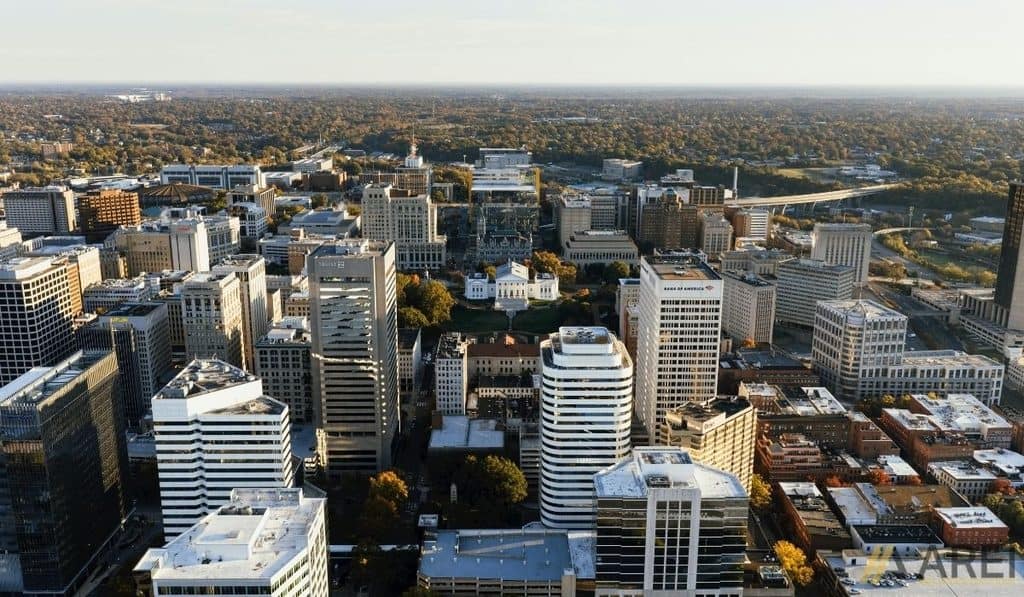
More than two out of every three new residents come from somewhere else. That is the takeaway from the latest Weldon Cooper Center for Public Service at the University of Virginia. Net migration now drives 68.5% of our state’s recent growth.
People are pouring into the Commonwealth from other states and overseas. For anyone who owns property here, this shift matters. Virginia demographics are changing fast.
Population gains in metro hubs like Richmond are rewriting the rules for local home values and neighborhood demand. From our experience, many homeowners do not realize how much these numbers affect their biggest asset.
This article breaks down the key shifts in migration, age, and regional growth. We also show what these trends mean for your housing market.
Our previous post covered what concessions are in real estate. Next, we’ll explain what a property title search is. Today, we focus on the total population trends and the census data that drive decisions.
A clear grasp of the population of Virginia helps you navigate the home buying process with more confidence. These insights give you a clearer view of the road ahead, no matter your plans.
Short Summary
- Virginia’s population reached 8.88 million in 2025 with strong net migration driving growth.
- Northern Virginia and Richmond suburbs expand fastest while some rural areas adjust to losses.
- Diversity increases and households shrink, creating demand for varied home types.
- Local trends matter most. Check your neighborhood data before buying or selling.
- Stay informed. Small insights from Virginia demographics help you make better housing decisions.
Driving Growth: Understanding Virginia’s Population Trends
Grab a cup of coffee, because these numbers tell a good story.
What the Latest Population Estimates Show
According to the Census Bureau and the Weldon Cooper Center, Virginia’s population hit 8.88 million as of July 2025. That’s up from 8,631,393 at the 2020 Census, a gain of nearly 249,000 residents.

The percent change since 2020 sits at 2.9%, while the most recent year alone (2024 to 2025) added about 69,000 people, a 0.8% population change. Not bad for a state that’s been around since 1607, right?
These population estimates confirm what agents on the ground already sense: total population growth is real, but it’s slowing compared to the 2010s.
Household and Economic Trends
Here’s where it gets interesting for anyone thinking about buying or selling. Households across Virginia keep shrinking (from an average of roughly three people per home toward more one and two person setups) as singles and empty nesters reshape demand.
Median household income landed at $97,720 in 2024, and per capita income sits near $50,666. The poverty rate hovers around 9.9%, a full percentage point below the national average.
Smaller households paired with solid incomes mean buyers want different things than they did a decade back. Think smaller lots, lower maintenance, and homes closer to work. That shift alone is worth watching if you’re weighing your next move.
Regional Housing Trends Across Virginia
Northern Virginia keeps pulling in workers from the tech and federal contracting world, and the paychecks show it.
Northern Virginia’s Continued Expansion
Fairfax and Loudoun counties rank among the wealthiest in the entire country, with median household income topping $149,000. That kind of money keeps housing demand fierce, even when rates climb.
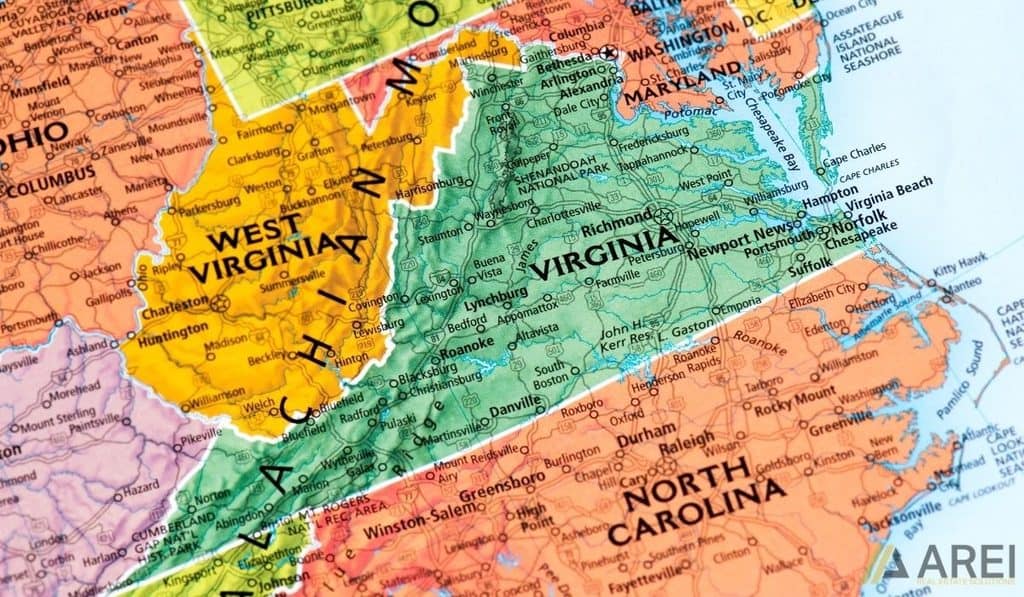
Richmond and Central Virginia
Richmond tells a calmer, friendlier story. Suburbs around the capital keep expanding as families chase affordability that Northern Virginia simply can’t offer anymore. We’ve watched buyers cross the whole state just to find a yard their kids can actually use.
Suburban areas here draw plenty of young families relocating from pricier metro areas, and that migration keeps builders busy. Richmond isn’t flashy, but it’s steady, and steady sells houses.
Hampton Roads and Coastal Communities
Down along the Chesapeake Bay, Hampton Roads runs on a different engine: the military. Naval Station Norfolk alone anchors thousands of jobs, and that stability keeps renter demand consistent year after year.
Coastal cities here don’t swing wildly with the market. They just hum along.
Shenandoah Valley and Southwest Virginia
Head west and the trend flips. Shenandoah Valley and Southwest Virginia face real population losses, especially in Southside and the Alleghany Highlands. Aging communities and fewer young workers mean slower housing demand overall.
Growth in Virginia isn’t spread evenly. It’s concentrated along the urban crescent, while rural regions quietly shrink. That imbalance matters more than most headlines let on.
How Virginia Demographics Are Changing
Virginia’s racially diverse population keeps shifting, county by county.
Population by Race and Ethnicity
Looking at population by race, White residents make up 58.4% of the state. Still the majority, but a shrinking one.

Black or African American citizens hold the second largest share at 18.3%, and Virginia’s Black population remains concentrated around Richmond and Hampton Roads.
Asian and Pacific Islander residents together account for roughly 7% of the state, and folks who identify with two or more races now sit at 4.7%.
On the race/ethnicity side, Hispanic or Hispanic-origin residents (many with ties to Latin America) make up 11.0% of Virginians, a share that keeps climbing.
Non-Hispanic and other race groups round out these ethnic groups, and the state’s overall diversity score beats plenty of neighboring states.
An Aging Population
Here’s the flip side. Virginia is graying fast, and the numbers back it up. The share of residents 65 and older climbed from 12% in 2010 toward a projected 19% by 2030, meaning roughly 1 in 5 Virginians will soon be a senior citizen.
Ever wonder why so many four-bedroom colonials keep hitting the market? Older homeowners are downsizing in growing numbers, trading big houses for smaller, low-maintenance places.
Empty nesters whose children have moved out don’t need the same square footage their parents did. Age shapes housing choices just as much as location does.
What These Changes Mean for Future Housing
Smaller family sizes paired with a growing senior population point to one clear shift: decreasing demand for oversized homes and rising demand for flexible, right-sized ones.
What These Demographic Trends Mean for Virginia Homeowners
Housing Demand Is Changing
Buyers today don’t all want the same house. A retiree downsizing from Fairfax wants something totally different than a young family relocating for a new job. Some want single-story living, others still want a bigger home with room to grow.
Local Market Conditions Matter
Population density matters more than people realize. Virginia averages around 218 residents per square mile, but that number swings wildly by locality.
Areas with strong job growth and good services (schools, hospitals, transit) tend to hold value better than primarily rural stretches losing people.
Neighborhood trend lines matter too. A block attracting young families looks completely different five years out than one filled mostly with retirees.

Why Demographic Context Matters Before Selling
Understanding migration patterns and broader demographics before listing your home helps you price it right and market it to the right buyer. Virginia isn’t one country-sized market. It’s dozens of smaller ones, each moving at its own pace.
Final Thoughts: Understanding Virginia’s Changing Housing Market
Virginia keeps changing in noticeable ways. Migration brings new energy to many areas. An aging population and growing diversity reshape what homes people need.
Regional differences stand out too. Some spots expand fast while others adjust more slowly. These Virginia demographics remind us that local markets respond to real people and their choices.
We at AREI Properties, a Richmond-based home-buying company right here in the capital of the Commonwealth, share practical market insights. Our resources help homeowners across Virginia make sense of shifts from neighbors like California or other states.
Drop by our homepage anytime. We enjoy chatting about what these trends mean for your situation.